Quick Look
- KYS: “Kill Yourself”
- Usage: Social Media, Games
- Origin: Late 2000s Internet Culture
- Similar: GTFO, STFU
- Represents: Insult, Provocation
The internet has become a breeding ground for new slang and abbreviations, many of which can be baffling to those outside of specific online communities. One term that has caused particular concern and confusion is “KYS.” What does this acronym actually mean? How did it originate? And why has it become such a contentious topic? In this post, we’ll explore what “KYS” means, examine its impact on online culture, etc.

What Does KYS Mean?
The acronym “KYS” translates directly to “kill yourself.” Often used in online communications, this phrase can appear in texts, chats, and social media platforms. Despite its harsh wording, KYS is sometimes used jokingly among friends or as a form of sarcastic banter.
However, it can also be a serious insult or even a form of cyberbullying when directed at individuals in a harmful way. Understanding the dual-nature of this phrase is crucial for appropriate reaction and intervention, especially in sensitive or vulnerable communications.
Where Did KYS Come From? The Origin
The origin of “KYS” can be traced back to the early 2000s with the rise of online gaming and internet chat rooms. In these digital arenas, speed and brevity are key, leading users to adopt acronyms for common phrases.
KYS emerged as a quick way to express frustration or disdain toward other players. Over time, its use has permeated other forms of digital communication such as social media and texting. The spread of KYS reflects broader trends in online interactions, where anonymity can sometimes encourage more aggressive or confrontational language.
Other Meanings Of KYS

While “KYS” is predominantly recognized as “kill yourself,” this acronym has other meanings across different contexts and communities:
- Keep Yourself Safe – Used as a sign-off in messages to remind someone to take care of themselves, especially in health or safety communications.
- Know Your Status – In health and wellness communities, especially relating to HIV/AIDS testing, encouraging individuals to be aware of their health status.
- Knit Your Sweater – A playful use in knitting and crafting circles.
- Keep Your Secrets – Often used in discussions where confidentiality is paramount.
- Know Your Stuff – A motivational push in educational or professional environments, encouraging thorough preparation or expertise.
- Kiss Your Spouse – A lighthearted reminder often seen in relationship advice or discussions.
- Keep Your Seat – Used in transportation or event settings to remind individuals to remain seated.
- Knock Your Socks Off – A figurative expression used to describe something that is extremely impressive or surprising.
- Key Your Subaru – A niche use in certain online car forums, discussing aspects of vehicle maintenance or customization.
- Kick Your Shoes – Commonly used in casual conversation or instructions, especially relating to making oneself comfortable at home.
Who Uses KYS?
The usage of “KYS” varies across different demographics and platforms. Predominantly, it’s found among younger internet users, particularly in environments where slang and informal communication are commonplace. Here are some key groups that frequently use this acronym:
- Online Gamers: Gamers often use KYS in the heat of competition, especially in multiplayer games where interactions can become intense.
- Social Media Users: On platforms like Twitter, Instagram, and TikTok, KYS can appear in comments or posts as part of jesting interactions among friends or as sarcastic responses to public figures and content.
- Teens And Young Adults: This group is highly active online and familiar with internet slang, making them frequent users of acronyms like KYS, often without fully considering the potential impact.
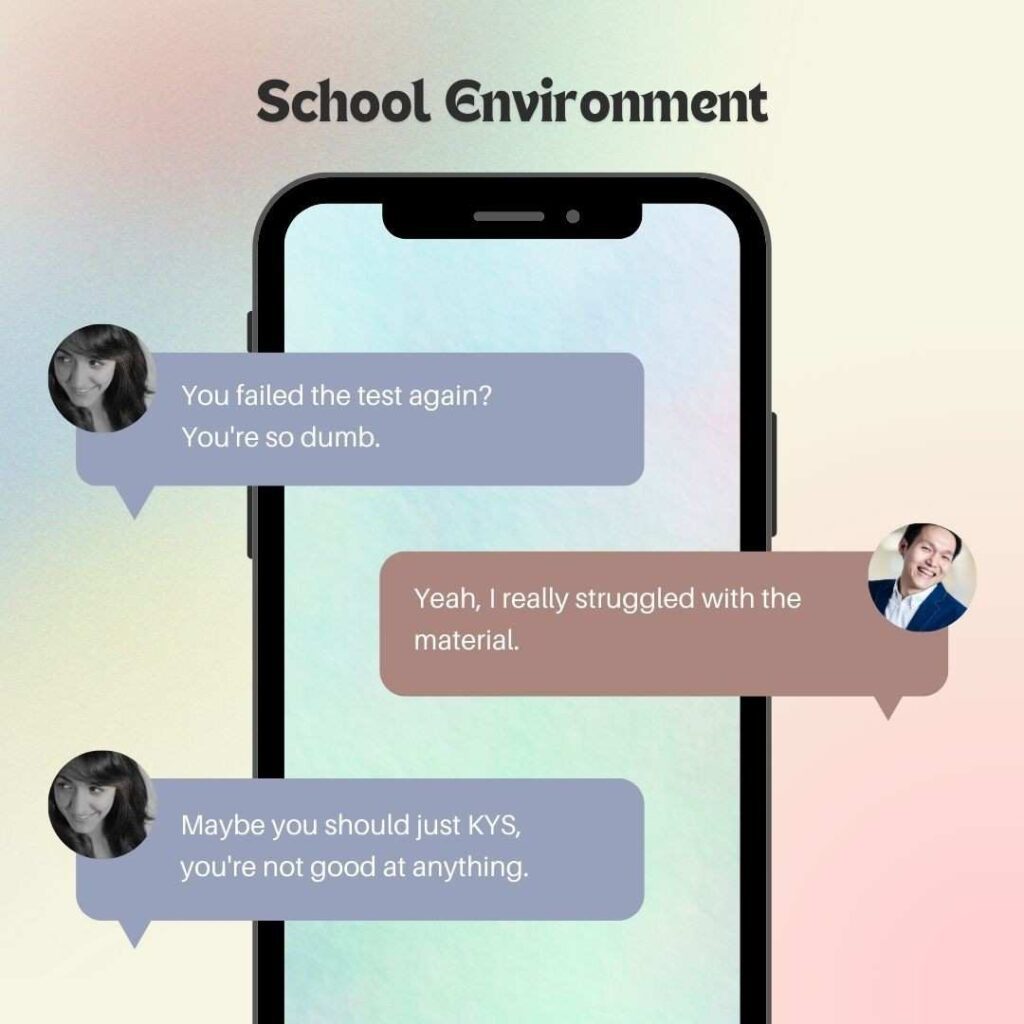
- Cyberbullies: Unfortunately, KYS is also employed by individuals engaged in cyberbullying, using the term to harass or intimidate others.
How To Use KYS? (With Examples)
Using the acronym “KYS” appropriately requires understanding its context and potential impact. Here are several scenarios that illustrate different uses of KYS, highlighting both appropriate and inappropriate contexts:
- Casual Banter Among Friends:
- Appropriate: When playing a video game, a player might lose spectacularly and jestingly type, “Oh man, KYS, that was hilarious!”
- Context: This use assumes a close relationship where the parties understand the comment is in jest.
- Social Media Commentary:
- Appropriate: In a lighthearted post about minor failures, like burning dinner, a friend comments, “Lol, KYS, can’t even cook spaghetti.”
- Context: Used humorously among friends who appreciate sarcasm.

- Response To Frustration Or Anger:
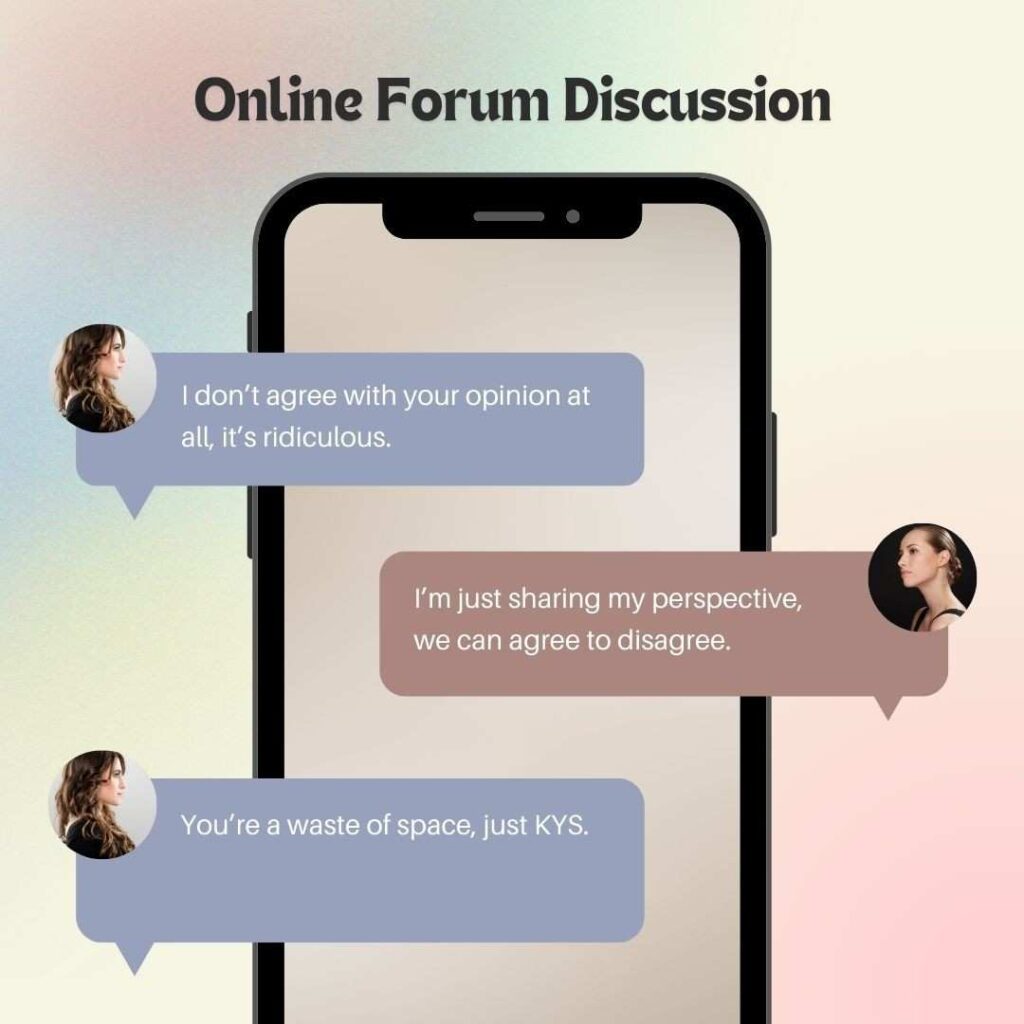
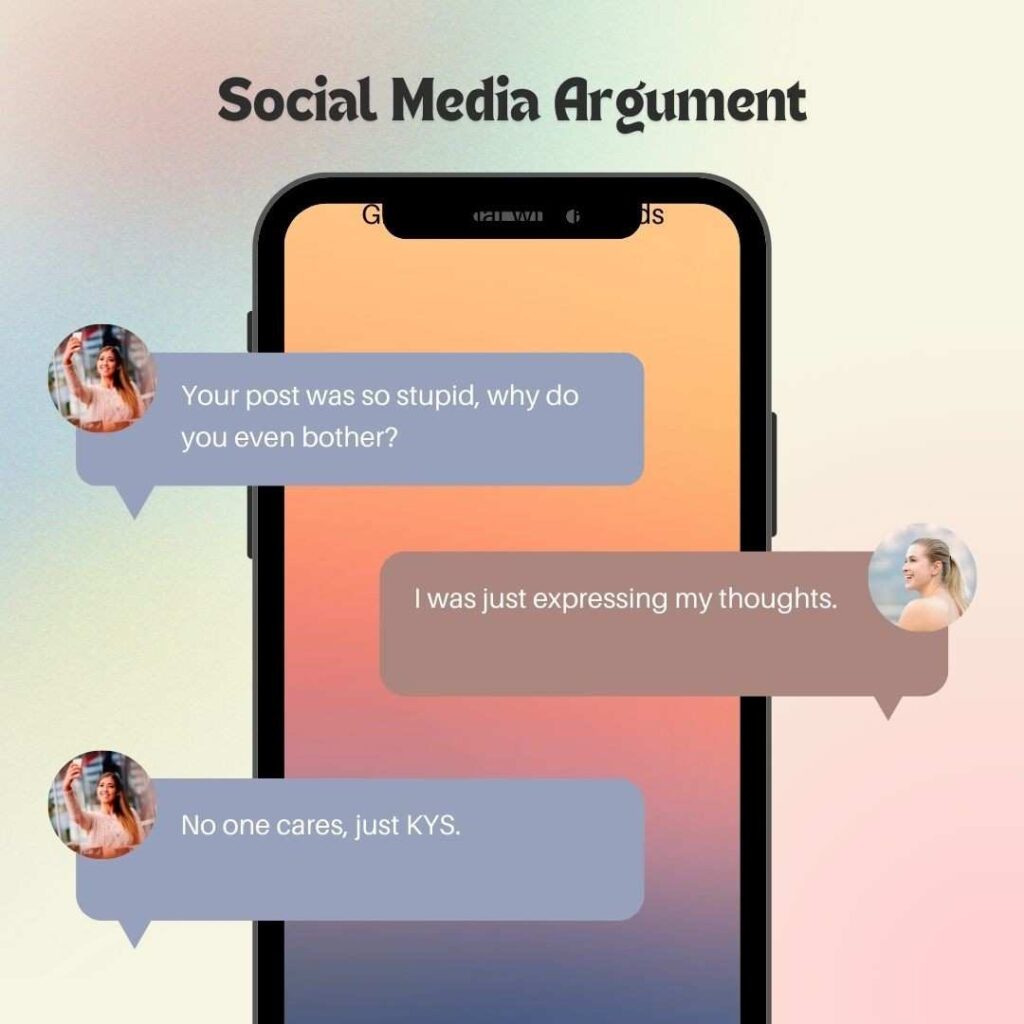
- Inappropriate: After a heated argument on social media, someone comments, “Just KYS.”
- Context: Here, KYS is harmful and could be seen as encouraging self-harm.
- Supportive Conversation:
- Appropriate: In a discussion about safety, a message ends with, “Remember to KYS (Keep Yourself Safe).”
- Context: Here, KYS has a positive connotation, promoting safety.
- Educational Or Awareness Campaigns:
- Appropriate: In a health awareness campaign, materials include, “KYS – Know Your Status.”
- Context: Used to promote awareness about one’s health status, such as HIV testing.
- In Text Messages Between Close Friends:
- Appropriate: After a friend sends a particularly bad pun, the other replies, “Haha, KYS for that joke!”
- Context: This is a playful, hyperbolic expression among friends who understand each other’s humor.

- Public Forums Or Comment Sections:
- Inappropriate: Someone posts about their struggles with a game level, and another user responds, “KYS, you’re so bad at this.”
- Context: Here, the use of KYS can be harmful and demeaning, likely to be taken seriously or negatively by the recipient.
Conversational Scenarios
- Gaming Stream Chat:
- Viewer: “That play was epic fail lol.”
- Streamer: “I know, right? KYS moment for sure ????”
- Context: Used here in a light-hearted, self-deprecating way, it aligns with the casual and often blunt humor common in gaming communities.
- Group Chat After A Sports Team Loss:
- Friend 1: “Our team should just KYS after that performance.”
- Friend 2: “Too harsh, dude. They tried.”
- Context: Intended as an exaggerated expression of frustration, though it could be contentious if the tone isn’t clearly humorous or if not all members appreciate such dark humor.
- Workplace Email (Hypothetical Misuse):
- Inappropriate: An employee frustrated with a project outcome writes, “At this point, the team might as well KYS.”
- Context: Highly inappropriate and unprofessional, especially in a formal or mixed-audience setting like a workplace.
Dialogue Example
Friend 1: “Did you see that movie last night? What a waste of time!” Friend 2: “Seriously, the director should KYS for making such a flop.” Friend 3: “Guys, that’s a bit much, don’t you think? Maybe just stick to saying it was bad.”
Analysis:
- Usage: Here, the term is used to express strong disapproval, but it steps into problematic territory where the expression could be misunderstood or considered too extreme.
- Recommendation: This scenario demonstrates the importance of assessing the group’s comfort with such phrases and the potential for misinterpretation.
These examples illustrate that while KYS can be used in jest among close friends, its appropriateness greatly depends on the relationship, the platform, and the broader context. Misuse can lead to misunderstandings or even contribute to hostile environments, highlighting the need for cautious and considerate communication.
KMS Vs KYS – The Difference
Understanding the distinction between “KMS” (Kill Myself) and “KYS” (Kill Yourself) is crucial as both acronyms can significantly impact communication, especially online. Here’s a breakdown of their differences:
- Intended Usage:
- KMS: Often used to express personal frustration or disappointment. For example, after a long, difficult day, someone might text, “Ugh, KMS, today was the worst.”
- KYS: Directed at others, which can make it seem more aggressive or confrontational. As shown earlier, “KYS” can be used humorously among friends or maliciously in hostile interactions.
- Tone And Perception:
- KMS: Perceived as self-deprecating humor or a hyperbolic expression of one’s feelings. It’s generally understood within certain communities, especially where dark humor is common.
- KYS: Can be seen as offensive or harmful, particularly if the recipient does not perceive it as a joke or if it is used in a bullying context.
- Potential For Misuse:
- KMS: While intended as a joke, it can sometimes mask genuine feelings of distress or suicidal thoughts, which requires sensitive handling.
- KYS: Due to its directness and potential connection to bullying, it’s often flagged in online communities and monitored by social media platforms for harmful content.
- Examples In Conversation:
- KMS: After failing a level in a video game for the tenth time, a player might say in the game chat, “I’m so bad at this, KMS.”
- KYS: In a heated argument in an online forum, one user might retaliate with, “You have no idea what you’re talking about, just KYS.”
Any Dangers Of Using The “Kill Yourself” Slang Phrase?
The phrase “KYS,” despite its occasional use in jest, carries inherent dangers that are important to recognize. Its casual use can blur the lines between humorous banter and serious harm, especially in sensitive contexts.
- Mental Health Implications:
- Casual or ironic use of KYS can be harmful if directed at someone with mental health struggles. The phrase could exacerbate feelings of isolation or depression, potentially leading to tragic outcomes.
- Cyberbullying:
- KYS is often employed as a tool in cyberbullying campaigns. Its use can constitute harassment, contributing to a hostile online environment that can lead to emotional distress for the recipient.
- Social Repercussions:
- Misinterpretation of the term, especially in multicultural or diverse settings where slang might not be as widely understood, can lead to social backlash or damage to one’s reputation.
- Legal And Educational Consequences:
- In some jurisdictions, using phrases like KYS in a harmful context can lead to legal consequences, including charges related to online harassment or bullying.
- Schools and universities may take disciplinary actions if students use such language, impacting academic careers.
- Prevention And Awareness Efforts:
- Many platforms have begun to implement algorithms to detect the use of harmful language, including KYS. Awareness campaigns are also in place to educate users about the impact of their words online.
Mitigating The Risks
To reduce the dangers associated with using KYS, consider the following strategies:
- Education: Teach young internet users about the impact of their words and encourage empathy in digital communications.
- Monitoring: Parents and educators can use tools to monitor the use of harmful language and intervene when necessary.
- Promote Positive Communication: Encourage the use of positive and supportive language in online communities.
How To Identify If Your Child Is Using KYS Slang Word
As a parent or guardian, being aware of the slang terms your children use, including “KYS,” is crucial for monitoring their safety and well-being in digital spaces. Here are some strategies to help identify if your child might be using this slang:
- Monitor Communication:
- Check in on the platforms and apps your child uses. Many messaging apps and social media platforms have parental controls that allow you to oversee communications.
- Understand The Context:
- Be aware of the context in which KYS is used. If you see it in your child’s messages or social media, discuss what it means and how it was used to gauge the intent.
- Open Dialogue:
- Maintain an open line of communication with your child about online interactions. Ask them about the slang they use and the meanings behind it, without judgment, to foster an open dialogue.
- Educational Resources:
- Utilize educational resources to teach your child about the implications of using phrases like KYS. Explain both the potential emotional impact and the social consequences of such language.
- Signs Of Distress:
- Be alert to changes in behavior that may indicate your child is either affected by such terms or using them in harmful ways, such as withdrawal from social interactions or changes in mood.
- Collaboration With Educators:
- Work with your child’s school to understand their policies on cyberbullying and digital etiquette. Schools often have resources for parents on monitoring and guiding online behavior.
FAQs:
While sometimes used among friends, using KYS can be risky and is often inappropriate due to its potential harm.
Context, tone, and the nature of your relationship with the person are crucial to understanding their intent.
Do not engage further and consider reporting the behavior to the platform or a trusted individual.
Yes, in some regions, using KYS in a threatening manner can lead to legal actions for harassment or cyberbullying.
Open a dialogue about the impact of words, encourage empathetic online interactions, and discuss the consequences of harmful slang.
KYS can be repurposed positively in contexts like “Keep Yourself Safe,” though caution is advised due to its other connotations.
Opt for clearer, less ambiguous expressions of humor that do not carry potential offensive implications.
Perceptions can vary significantly; what is considered humorous in one culture may be deeply offensive in another.
Educators should address it promptly, discuss the term’s impact, and reinforce respectful communication practices.
Conclusion
The term “KYS,” an acronym for “Kill Yourself,” serves as a stark example of how digital slang can straddle the line between humor and harm. This blog post has explored its meanings, usage, and the nuances that come with digital communication. While KYS can be used jokingly among close friends, it’s essential to recognize the potential for misunderstanding and the serious implications it may have in other contexts.
Educating internet users about the impact of their words, fostering environments of positive communication, and understanding the diverse interpretations of slang are crucial steps towards creating safer digital spaces. Whether you’re a parent, educator, or regular internet user, being informed and vigilant about phrases like KYS is key to navigating the complexities of online interactions responsibly.
By promoting awareness and responsible use of digital communication, we can help prevent the misuse of potentially harmful terms and ensure a more respectful and understanding online community.