

Ever been frustrated by that pesky “Err_Connection_Reset” error message popping up while you’re browsing the web? This annoying error can disrupt your online experience, leaving you wondering what went wrong. But fear not, this article will Give knowledge and to banish the “Err_Connection_Reset” error once and for all.
The “Err_Connection_Reset” error, also known as error 101, occurs when the connection between your browser and a website’s server is abruptly terminated. This can be caused by a variety of factors, from temporary network glitches to outdated browser settings.
Imagine the satisfaction of effortlessly navigating the web without the interruption of error messages. Envision the freedom to connect with information and resources without the frustration of connection disruptions. This comprehensive guide will equip you with the knowledge and troubleshooting techniques to fix Err_Connection_Reset error on Both Laptops and your mobile phone devices to combat this pesky error and get back to seamless online browsing.
Also Check:-
- How to Fix “Access Denied You Don’t Have Permission to Access on This Server” Error on Windows?
- How To Fix System Application Force Next 0007 Error
- How to Solve ERR Connection Refused Error?
- How to Fix the “NET::ERR_CERT_DATE_INVALID” Error?
- How to Fix the “Webpage Not Available” Error in Your Browser?
- How to fix Server DNS Address Could Not be Found
What is Err_Connection_Reset in Chrome and Edge?
The “Err_Connection_Reset” error is a common occurrence when browsing the internet, often encountered when accessing websites using Google Chrome or Microsoft Edge browsers. This error indicates that the connection between your browser and the website’s server has been abruptly terminated. The error message typically appears as a pop-up or notification within the browser window, preventing you from accessing the intended website.
While the error can be frustrating, it’s usually a temporary issue that can be resolved by following a few simple steps. The underlying cause of the error lies in the connection between your browser and the website’s server. When this connection is interrupted, the browser fails to receive data from the server, resulting in the “Err_Connection_Reset” error.
In simpler terms, imagine you’re trying to reach a friend across a bridge, but the bridge suddenly collapses halfway, preventing you from making contact. Similarly, the “Err_Connection_Reset” error signifies a breakdown in the communication channel between your browser and the website’s server, hindering your ability to access the website’s content.
Several factors can contribute to this connection disruption, including network glitches, website issues, browser cache and cookies, VPN or proxy settings, antivirus or firewall interference, and even temporary power outages. Fortunately, most of these causes can be addressed through simple troubleshooting techniques, allowing you to resume uninterrupted browsing.
Understanding the “Err_Connection_Reset” Error When Accessing “https://localhost”
The “Err_Connection_Reset” error can sometimes occur when accessing “https://localhost” in your browser. This error typically arises due to a conflict with a local web server running on port 80, which is the default port for web servers.
When you type “https://localhost” into your browser, it attempts to connect to a local web server running on port 80. However, if another application, such as a local web development server or a web server running on another port, is already using port 80, the connection will fail, resulting in the “Err_Connection_Reset” error.
To resolve this issue, you can either stop the local web server that is using port 80 or change its port number. This will allow your browser to establish a connection with the local web server running on port 80 and access the desired content.
In the following sections, we’ll explore the various causes of this “Err_Connection_Reset” error and to effectively resolve the issue and restore your connection to the internet.
Common Causes of the Err_Connection_Reset Error
The “Err_Connection_Reset” error can be caused by a variety of factors, each disrupting the communication between your browser and the website’s server. Let’s delve into some of the common culprits behind this error:
- Network Instability: Temporary network glitches or intermittent connectivity can cause abrupt disconnections, leading to the “Err_Connection_Reset” error. This could be due to issues with your internet service provider (ISP), router configuration, or interference from external factors like signal strength or weather conditions.
- Website Issues: In some cases, the error might arise due to temporary issues on the website’s server side. This could encompass overloaded servers, software malfunctions, or maintenance downtime. If the error persists across multiple websites, it’s likely a server-related issue that requires attention from the website administrators.
- Browser Cache and Cookies: Accumulated browser cache and cookies can sometimes interfere with website connections, causing the error to appear. These cached files can become outdated or corrupted, disrupting communication between the browser and the website’s server. Clearing your browser’s cache and cookies can often resolve this issue.
- VPN or Proxy Settings: Using a VPN or proxy service can sometimes cause connection instability, leading to the “Err_Connection_Reset” error. VPNs and proxies can mask your IP address and route your traffic through different servers, which can occasionally lead to connection disruptions. Disabling your VPN or proxy temporarily can help identify if it’s causing the error.
- Antivirus or Firewall Interference: Antivirus software or firewalls might occasionally block connections to certain websites, triggering the error. These security measures are designed to protect you from online threats, but they can sometimes overzealously block legitimate connections. Adjusting firewall settings or whitelisting specific websites can address this issue.
- Outdated Browser: Running an outdated browser can also contribute to connection issues, including the “Err_Connection_Reset” error. Outdated browsers may lack security patches and bug fixes that could be causing compatibility issues with certain websites or server configurations. Updating your browser to the latest version can often resolve these problems.
- Incorrect TCP/IP Settings: Incorrect or corrupted TCP/IP settings can also disrupt communication between your computer and the internet, leading to the “Err_Connection_Reset” error. TCP/IP settings govern how your device interacts with the internet, and any errors in these settings can cause connection problems. Resetting your TCP/IP settings can often rectify these issues.
- Driver Issues: Outdated or corrupted network drivers can also lead to connection problems, including the “Err_Connection_Reset” error. Network drivers are software that allows your computer to communicate with network devices like routers and modems. Updating or reinstalling network drivers can resolve these issues.
By understanding the common causes of the “Err_Connection_Reset” error, you can proactively identify the source of the “Err_Connection_Reset” error and apply the appropriate troubleshooting steps to regain uninterrupted online browsing.
How do I fix Err_Connection_Reset on Google chrome in laptops?
Encountering the “Err_Connection_Reset” error on your laptop browser can hinder your online activities. Fortunately, this error can be effectively resolved by following a series of troubleshooting steps. In this section, we’ll explore various methods to address this issue and restore seamless browsing on your laptop
1. Check Website Working Status
Before delving into troubleshooting steps, it’s important to determine whether the “Err_Connection_Reset” error is specific to your laptop or a broader issue affecting the website itself. To verify this, try accessing the website using a different device, such as a smartphone or another computer connected to a different network.
Steps:
- Open the website on a different device connected to a separate internet connection.
- If the website loads successfully on the other device, it indicates that the issue lies with your laptop or its internet connection.
- If the website fails to load on both devices, it suggests a problem with the website itself. In this case, you may need to contact the website’s administrators or wait for them to resolve the issue.
By checking the website’s working status on another device, you can quickly determine whether the error is isolated to your laptop or a broader website issue, guiding you towards the appropriate troubleshooting steps.
2. Check Your VPN Connection
If you’re using a VPN (Virtual Private Network) on your laptop, it might be interfering with your connection to certain websites, leading to the “Err_Connection_Reset” error. To check if your VPN is the culprit, try temporarily disabling it and accessing the website again.
Steps:
- Temporarily disable your VPN: Open your VPN application or use the system settings to disable your VPN connection.
- Access the website with VPN disabled: Try accessing the website again with your VPN disabled.
- Observe the website’s accessibility: If the website loads successfully after disabling the VPN, it indicates that the VPN was causing the error.
- Consider alternative VPN settings: If disabling the VPN resolves the issue, you may need to adjust your VPN settings or try a different VPN provider.
By temporarily disabling your VPN and checking if the website loads correctly, you can determine whether your VPN is contributing to the “Err_Connection_Reset” error. If the issue persists, move on to the next troubleshooting step.
3. Reboot Your Network Device
Sometimes, network glitches or temporary issues with your router or modem can cause connection disruptions, leading to the “Err_Connection_Reset” error. Rebooting your network device can often resolve these issues and restore stable connectivity.
Steps:
- Locate your router or modem: Identify the physical location of your router or modem, typically found in your home or office.
- Power off the network device: Disconnect the power cable from your router or modem. Wait for at least 30 seconds.
- Power on the network device: Reconnect the power cable to your router or modem. Wait for the device to fully power on and establish internet connectivity.
- Access the website: Check if you can access the website after rebooting your network device.
By resetting your network device, you can eliminate minor network glitches or temporary issues that might be causing the “Err_Connection_Reset” error. If the error persists, proceed to the next troubleshooting step.
4. Clear the Browser Cache
Over time, accumulated browser cache can become outdated or corrupted, interfering with website connections and triggering the “Err_Connection_Reset” error. Regularly clearing your browser’s cache can help prevent this issue.
Step-by-step guide for clearing browser cache in different browsers:
Google Chrome:
- Open Google Chrome on your laptop.
- Click on the “three dots” icon in the top right corner.
- Select “More tools” from the drop-down menu.
- Choose “Clear browsing data.”

- Set the time range to “All time” or a desired period.
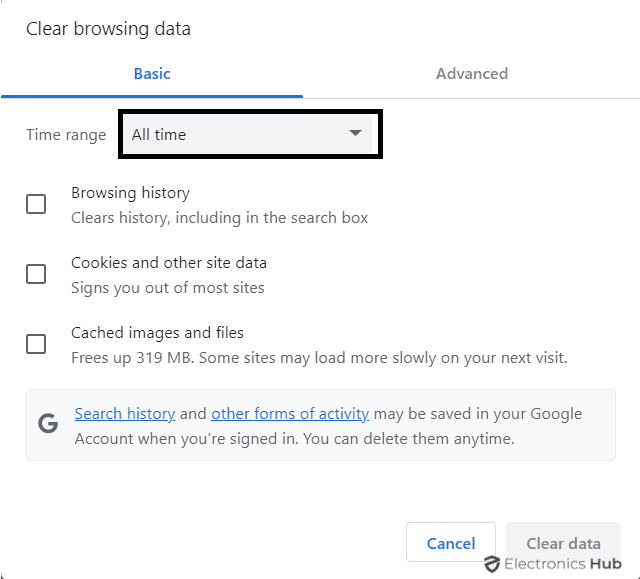
- Check the boxes next to “Cached images and files” and “Cookies and other site data.”
- Click on “Clear data” to remove the cached data.

Mozilla Firefox:
- Open Mozilla Firefox on your laptop.
- Click on the three horizontal lines icon in the top right corner.
- Select “History” from the drop-down menu.
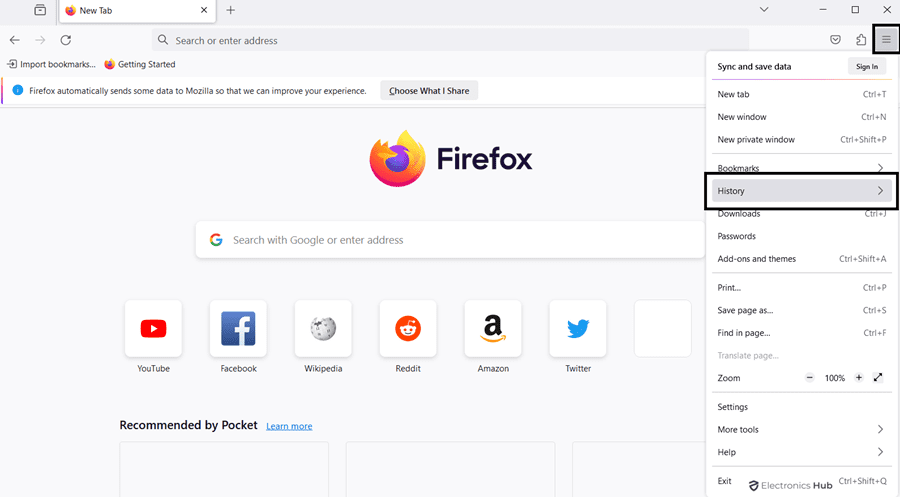
- Click on “Clear Recent History” at the bottom of the screen.
- Set the time range to “Everything” or a desired period.
- Check the boxes next to “Cache” and “Cookies” under the “Details” section.
- Click on “Clear Now” to remove the cached data.

Microsoft Edge:
- Open Microsoft Edge on your laptop.
- Click on the three dots icon in the top right corner.
- Select “Settings” from the drop-down menu.

- Click on “Privacy, search, and services” in the left pane.

- Scroll down to the “Clear browsing data” section.
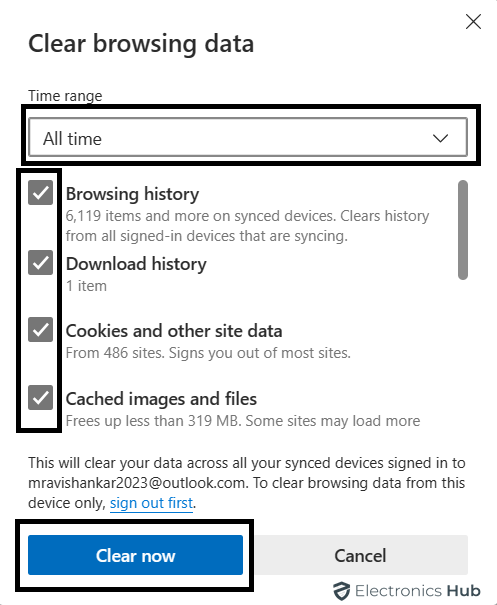
- Click on “Choose what to clear” and select a desired time range.
- Check the boxes next to “Cached images and files” and “Cookies and other site data.”
- Click on “Clear” to remove the cached data.
5. Update Your Browser
Outdated browser versions can sometimes contain bugs or compatibility issues that can lead to connection problems, causing the “Err_Connection_Reset” error. Ensure you are running the latest version of your browser to minimize the risk of such issues.
Step-by-step guide for updating different browsers:
Google Chrome:
- Open Google Chrome on your laptop.
- Click on the three dots icon in the top right corner.
- Select “Help” from the drop-down menu.
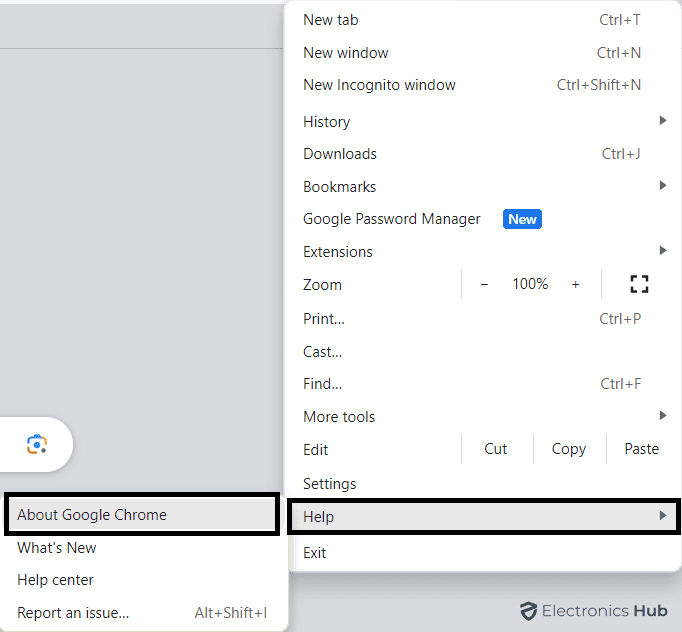
- Choose “About Google Chrome.”
- Chrome will automatically check for updates and notify you if an update is available.
- Click on “Relaunch” to install and apply the update.

Mozilla Firefox:
- Open Mozilla Firefox on your laptop.
- Click on the three horizontal lines icon in the top right corner.
- Select “Help” from the drop-down menu.
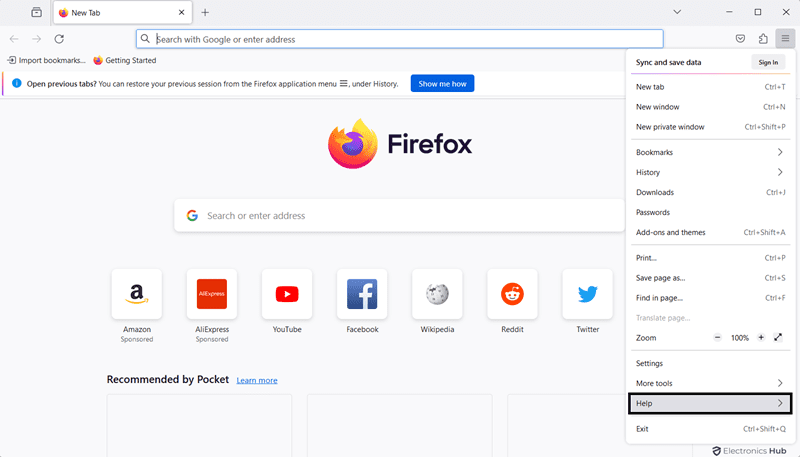
- Choose “About Firefox.”

- Firefox will automatically check for updates and notify you if an update is available.

- Click on “Restart to update Firefox” to install and apply the update.
Microsoft Edge:
- Open Microsoft Edge on your laptop.
- Click on the three dots icon in the top right corner.
- Select “Settings” from the drop-down menu.
- Click on “Help and feedback” in the left pane.
- Choose “About Microsoft Edge.”
- Edge will automatically check for updates and notify you if an update is available.

- Click on “Restart” to install and apply the update.
By updating your browser to the latest version, you can ensure you have the most recent bug fixes and security patches that might address connection issues and potentially resolve the “Err_Connection_Reset” error. If the error persists, proceed to the next troubleshooting step.
6. Reset Your device TCP/IP Settings
In some cases, corrupted or incorrect TCP/IP (Transmission Control Protocol/Internet Protocol) settings can cause connection issues, leading to the “Err_Connection_Reset” error. Resetting your device’s TCP/IP settings can often resolve these issues and restore stable connectivity.
How to Reset TCP/IP Settings in Windows
- Right-click on the Start button and select “Command Prompt (Admin).”
- Execute the following commands sequentially, “netsh winsock reset, netsh int ip reset, ipconfig /release, ip/config /renew, ipconfig /flushdns” Pressing Enter after each command.

- Once the commands have been executed, restart your computer to apply the changes.
How to Reset TCP/IP Settings in Mac
- Open System Preferences on your Mac.
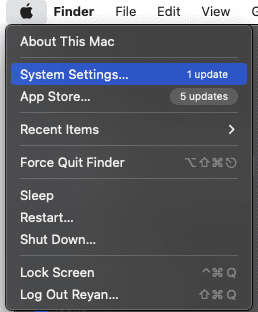
- Click on the “Network” icon in the System Preferences window.
- In the left pane, select your active internet connection (e.g., Wi-Fi or Ethernet).
- Click on the “Advanced” button in the bottom right corner.
- In the pop-up window, select the “TCP/IP” tab.
- Click on the “Renew DHCP Lease” button to refresh your network settings.

- Once the DHCP lease has been renewed, close the Network settings window.
By resetting your device’s TCP/IP settings, you can eliminate potential network configuration issues that might be causing the “Err_Connection_Reset” error. If the error persists, move on to the next troubleshooting step.
7. Deactivate Antivirus software and Firewall
In some instances, antivirus software or firewalls might mistakenly block connections to certain websites, including the one you’re trying to access, leading to the “Err_Connection_Reset” error. To determine if your antivirus or firewall is causing the issue, temporarily disable them and check if the error persists.
Disabling Antivirus Software and Firewall in Windows:
- Right-click on the Windows Security icon in the taskbar (near the clock) and select “Open Windows Security.”
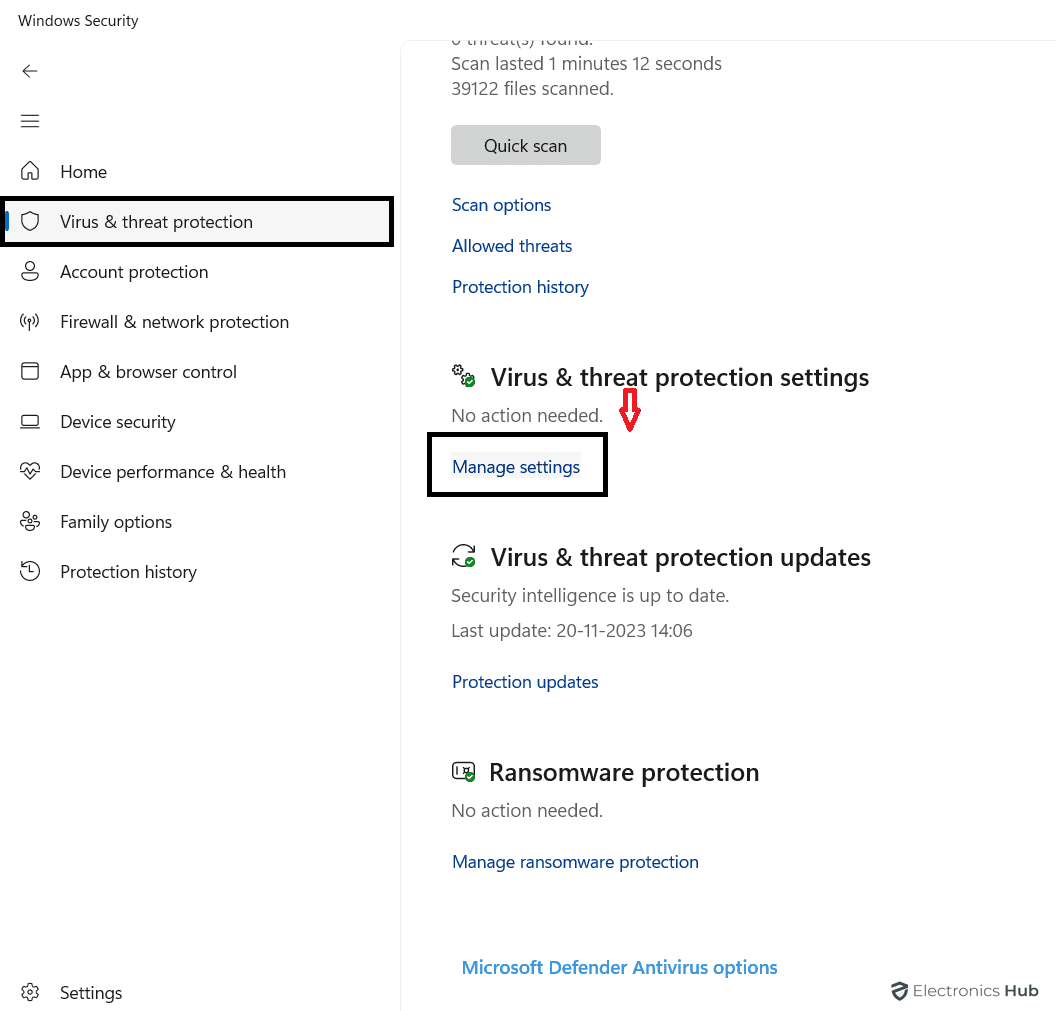
- In the Windows Security window, click on the “Virus & threat protection” option.

- Click on the “Manage protection settings” link under the “Virus & threat protection” section.
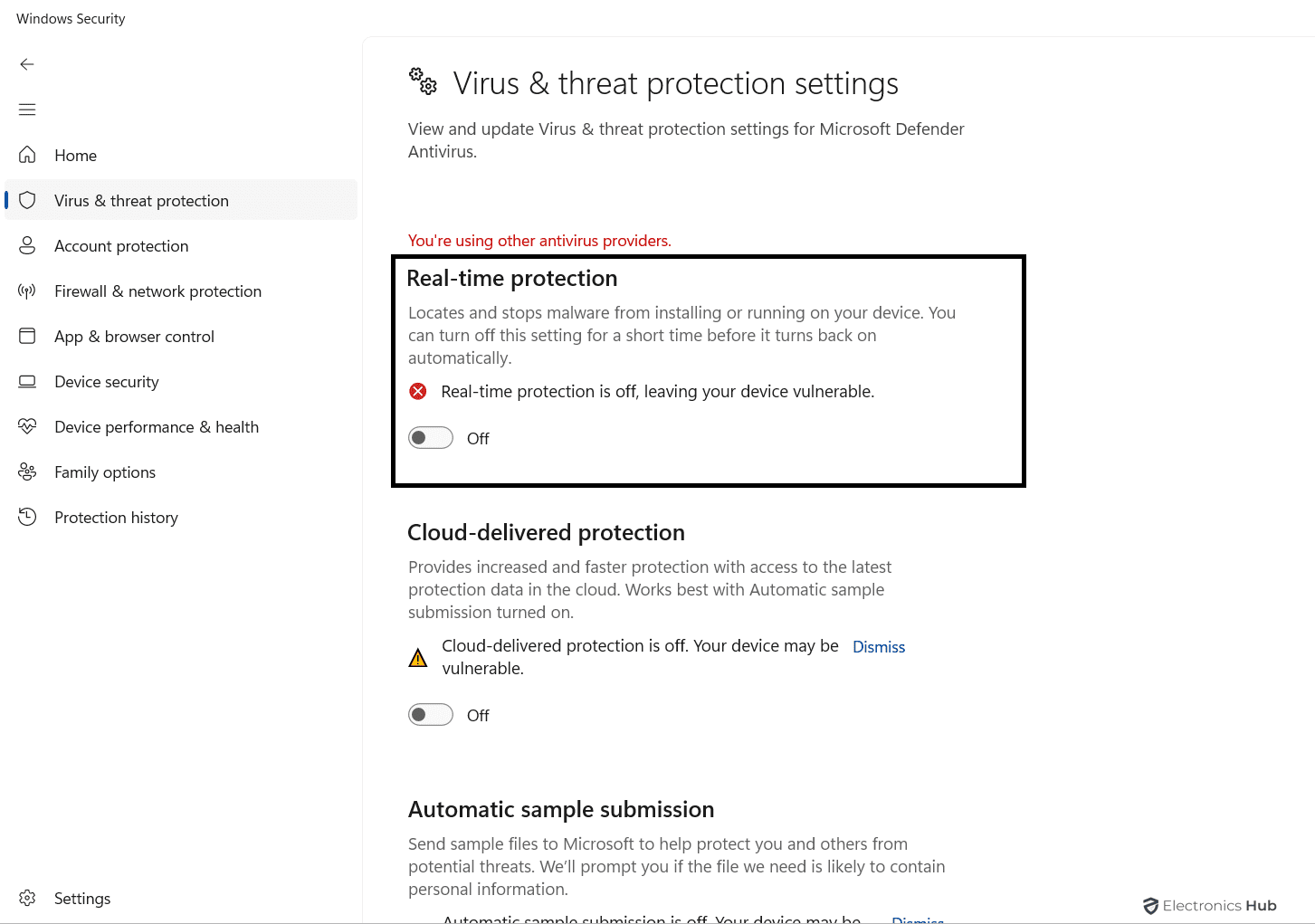
- Toggle the switch under “Real-time protection” to the “Off” position.
- Click on the “Firewall & network protection” option in the left pane.

- Toggle the switches under “Domain network,” “Private network,” and “Public network” to the “Off”